
Darren Calabrese/COC
At Olympic.ca, we love some fun facts, especially when they’re celebrating the impressive achievements of Team Canada athletes.
Without further ado, a quick look at Team Canada’s success at Milano Cortina 2026 by the numbers.
1260 – Degrees of rotation Megan Oldham landed twice to win Olympic gold in women’s ski big air
75 – Team Canada athletes who are heading home with Olympic medals
62 – Top 8 finishes by Team Canada at Milano Cortina 2026
38 – Top 5 finishes by Team Canada at Milano Cortina 2026
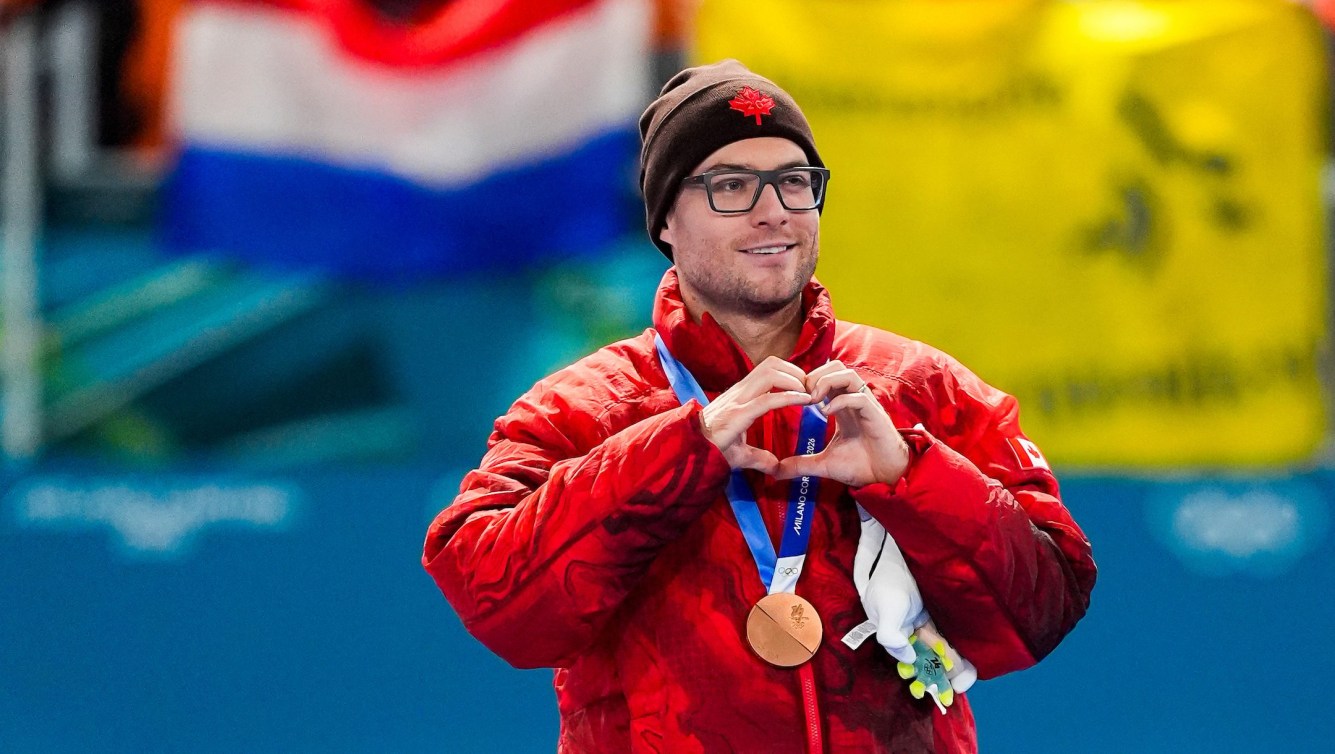
28 – Years since a Canadian won an Olympic medal in the men’s 500m in long track speed skating before Laurent Dubreuil won bronze
20 – Career Olympic goals scored by Marie-Philip Poulin, the most ever in women’s hockey
16 – Years since a Canadian won gold in the men’s 500m in short track speed skating before Steven Dubois’ victory

13 – Points scored by Connor McDavid in Milan, the most in a single Olympic tournament with NHL players
12 – Years since a Canadian won an Olympic medal in men’s ski halfpipe before Brendan Mackay’s bronze
8 – Team Canada athletes who were multi medallists at Milano Cortina 2026
6 – Career Olympic medals for short track speed skater Kim Boutin, who won two at Milano Cortina 2026 to tie her as Canada’s most decorated Winter Olympian

5 – Career Olympic medals for Mikaël Kingsbury, the most ever by a male freestyle skier
5 – Straight must-win games won by Team Homan to get into the women’s curling semifinals en route to bronze
4 – Medals won by Courtney Sarault at Milano Cortina 2026, the second most ever by a Canadian at one Olympic Winter Games
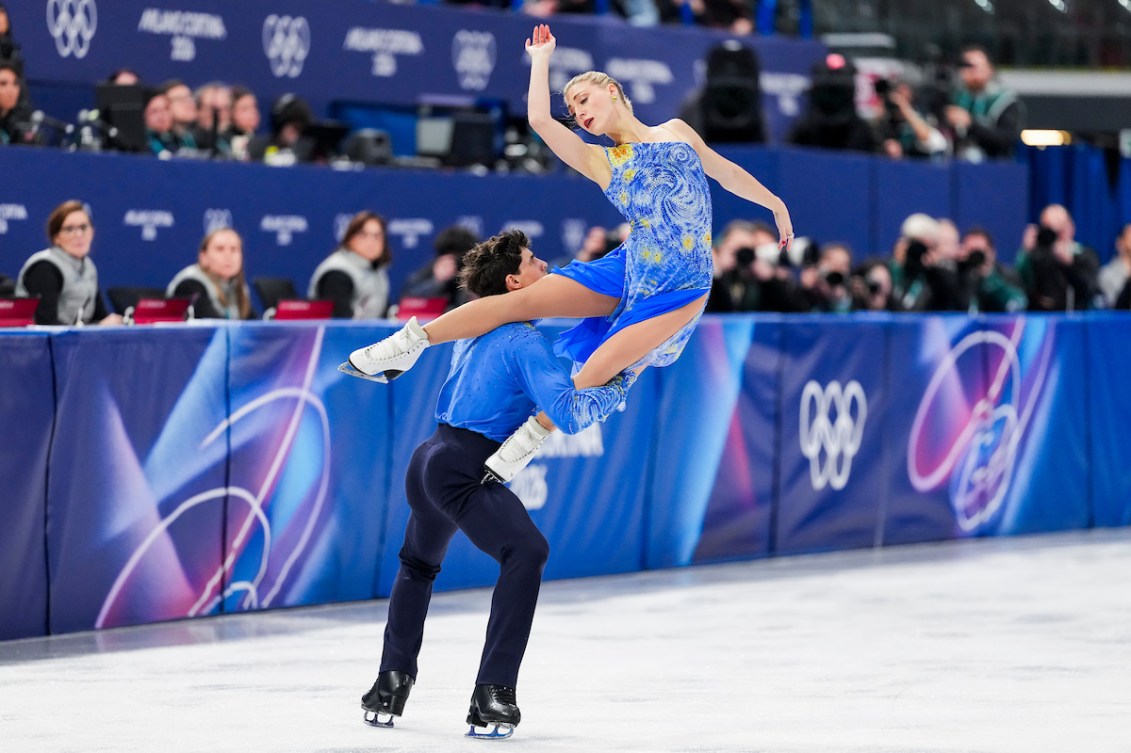
4 – Minutes of magical skating by Piper Gilles and Paul Poirier in their free dance to win bronze
3 – Career Olympic medals won by Marc Kennedy, the most by a Canadian curler
2 – Career Olympic gold medals won by Brad Jacobs, the first male curling skip to do so
2 – Consecutive team pursuit gold medals won by Ivanie Blondin, Valérie Maltais, and Isabelle Weidemann
PakarPBN
A Private Blog Network (PBN) is a collection of websites that are controlled by a single individual or organization and used primarily to build backlinks to a “money site” in order to influence its ranking in search engines such as Google. The core idea behind a PBN is based on the importance of backlinks in Google’s ranking algorithm. Since Google views backlinks as signals of authority and trust, some website owners attempt to artificially create these signals through a controlled network of sites.
In a typical PBN setup, the owner acquires expired or aged domains that already have existing authority, backlinks, and history. These domains are rebuilt with new content and hosted separately, often using different IP addresses, hosting providers, themes, and ownership details to make them appear unrelated. Within the content published on these sites, links are strategically placed that point to the main website the owner wants to rank higher. By doing this, the owner attempts to pass link equity (also known as “link juice”) from the PBN sites to the target website.
The purpose of a PBN is to give the impression that the target website is naturally earning links from multiple independent sources. If done effectively, this can temporarily improve keyword rankings, increase organic visibility, and drive more traffic from search results.